
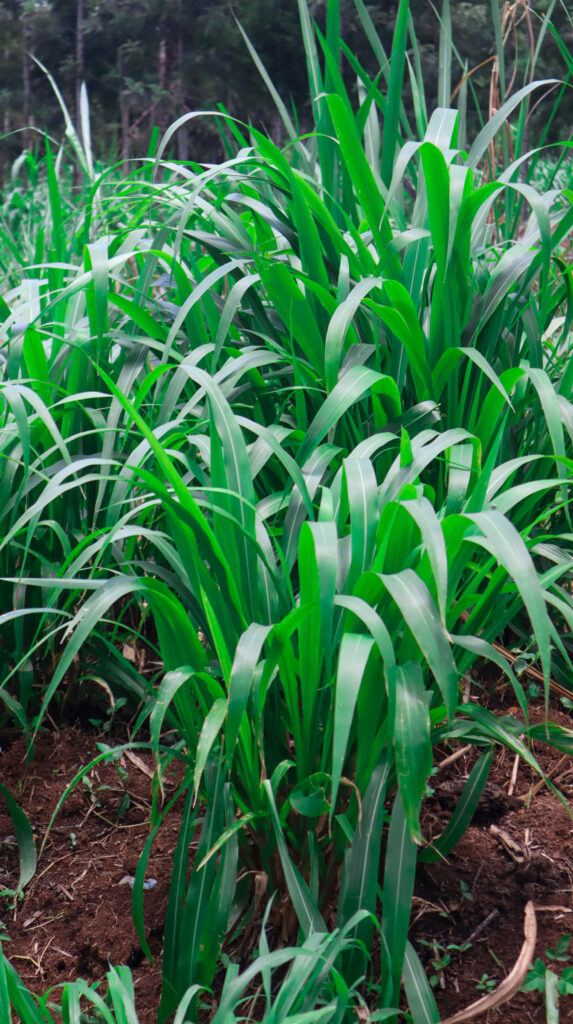
Exotic fodder grass refers to improved napier grass varieties that are grown to feed cattles .They provide nutrients to animals that supports weight gain, good health, increasing milk production and improving general profitability of animals .Some farmers are using exotic fodder grasses and fodder trees as solution to reduce over dependency on commercial feeds , as they are naturally harvested , prepared and feed directly to animals as dry matter or fresh from the farm.
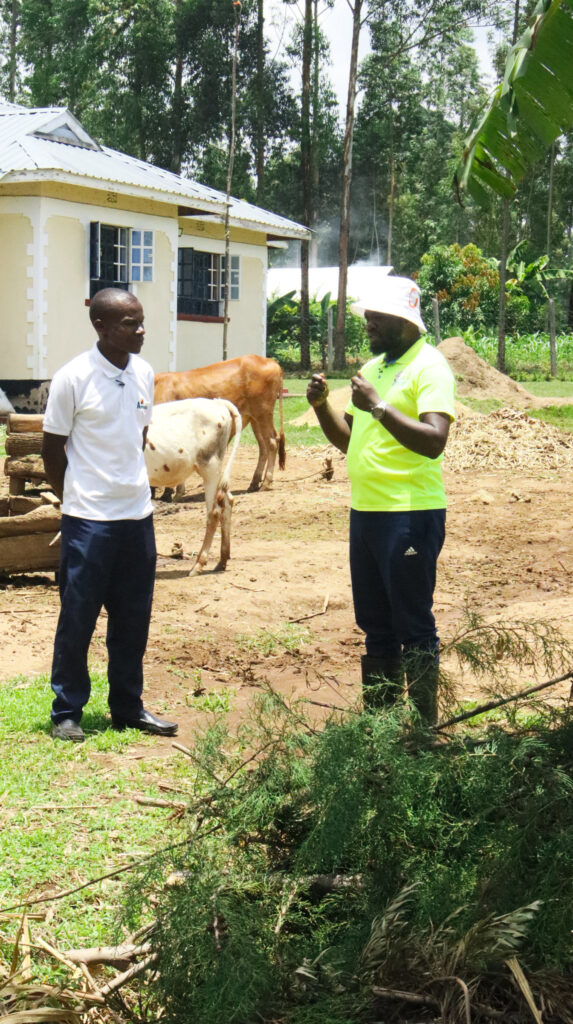
Kennedy Babangida (left)Jairus Nyongesa(right)
Jairus Kweyu Nyongesa ,a farmer from Malaha area , Mumias East Kakamega County , founder and CEO of Aryali Farm has been planting fodder grass and tree fodders to feed animals and supplying it to other farmers across the country .He says Kenya has high demand on animal feeds which motivated him to venture in fodder growing. Jairus has become a solution to farmers interms of animal feeds as majority relied on commercial feed and did not have knowledge on how fodder grasses and fodder trees can be useful.
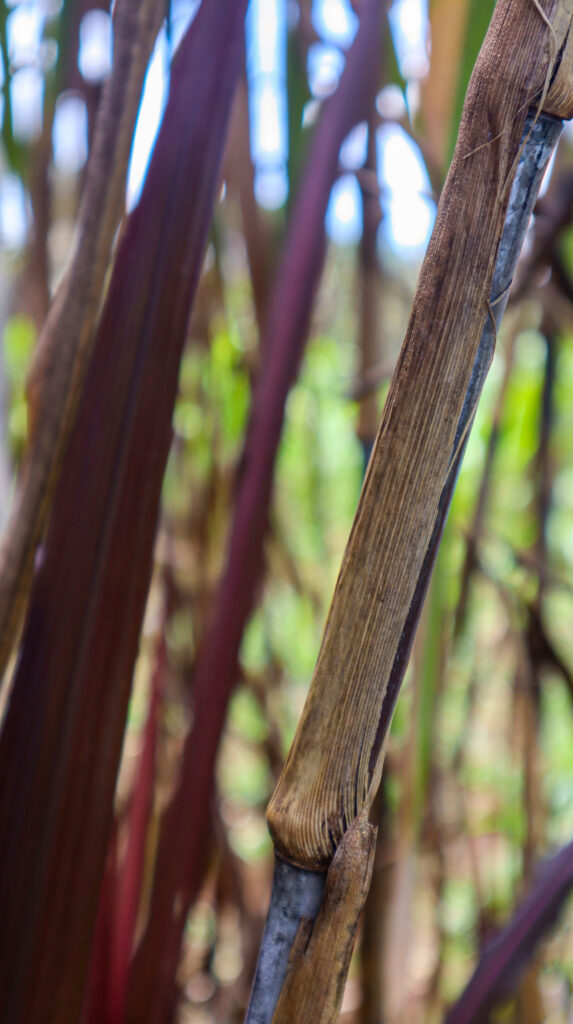
Australian Red/Purple Napier (Pennisetum Purpureum CV. Red)Photo; Alujo
Known for its reddish-purple stems and high biomass production. It is widely used for animal fodder, silage, and even biofuel production due to its fast growth rate and high nutritional value.Whereas Red Napier will be ready for harvesting after 90 days of planting, it will give a yield of 40 tonnes per acre per cutting and in a year up to 240 tonnes per year per acre.Crude protein content of Australian Red/purple napier is between 19.9% – 24% depending on land fertility.
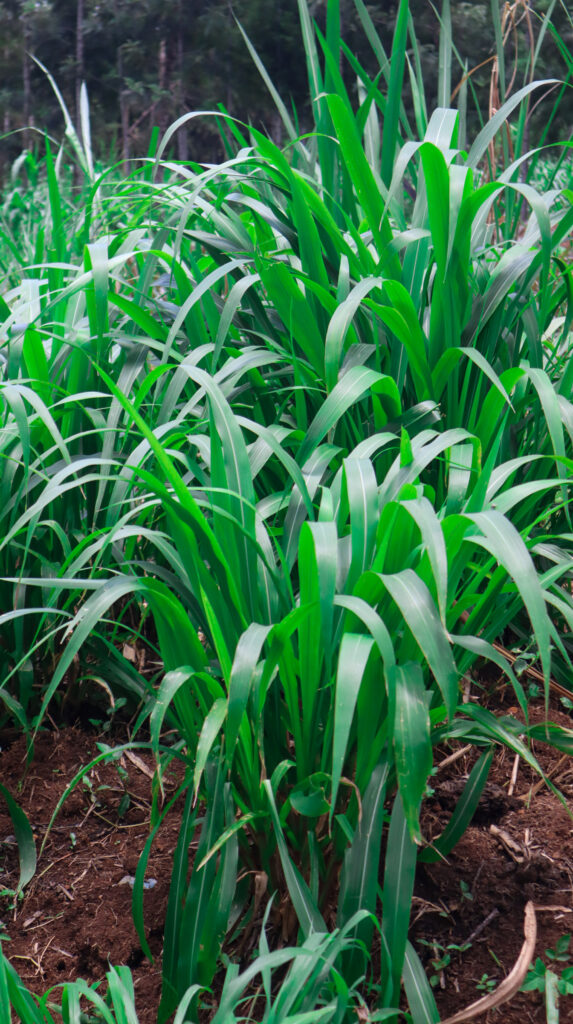
Guatemala (Tripsacum Laxum Nash)Photo;Alujo
Its leafy perennial grass valued for its high yield fodder, disease resistance, drought tolerance and ability to prevent soil erosion. It can also be used to prevent pest and diseases in neighbouring crops.Guatemala grass is cultivated primarily in cut and carry systems. It can also be used to make silage.
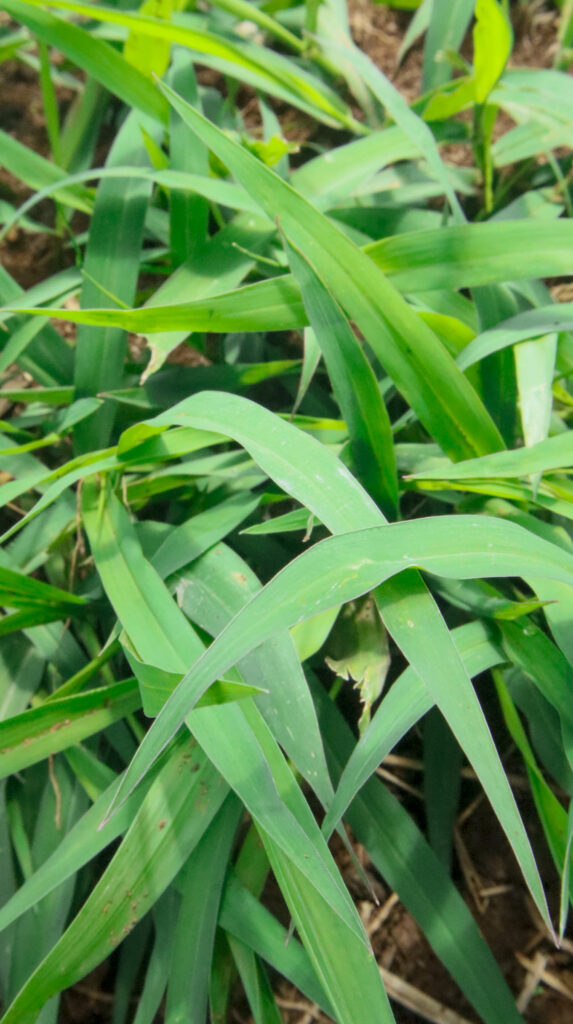
Brachiaria Camello/ Cobra Grass Photo; Alujo
Its high growth rate, and being able to develop faster in drought tolerance areas makes it a viable forage alternative for dry tropics and areas with marked periods of drought.
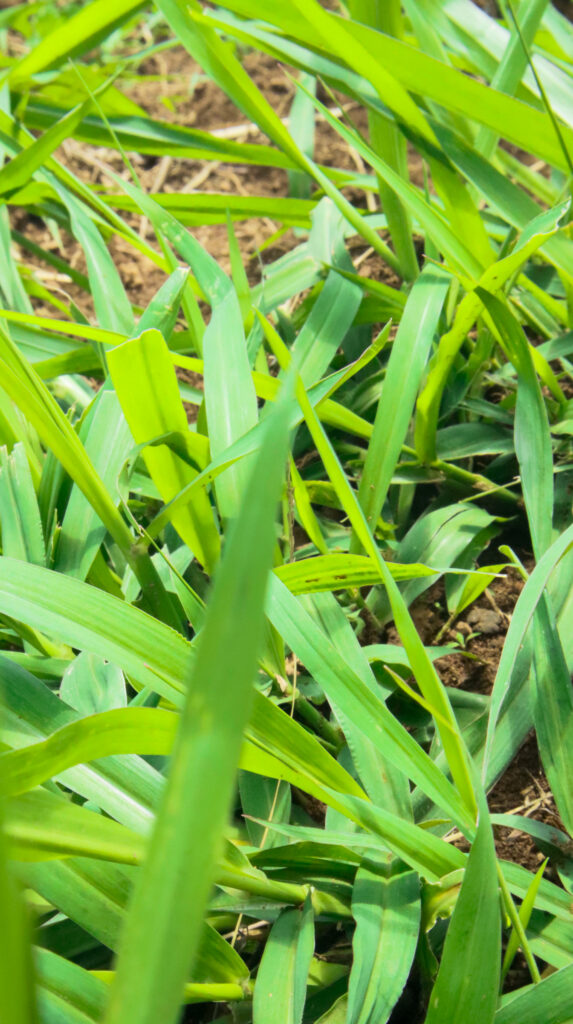
Panicum Siambaza /Mombasa Grass Photo; Alujo
It is characterized by its nutritional quality, Siambaza gives us a very rich nutritional table with good values in protein (reaching up to 16%), energy, fiber, sugars and high digestibility obtaining in vitro studies percentages of 65%.
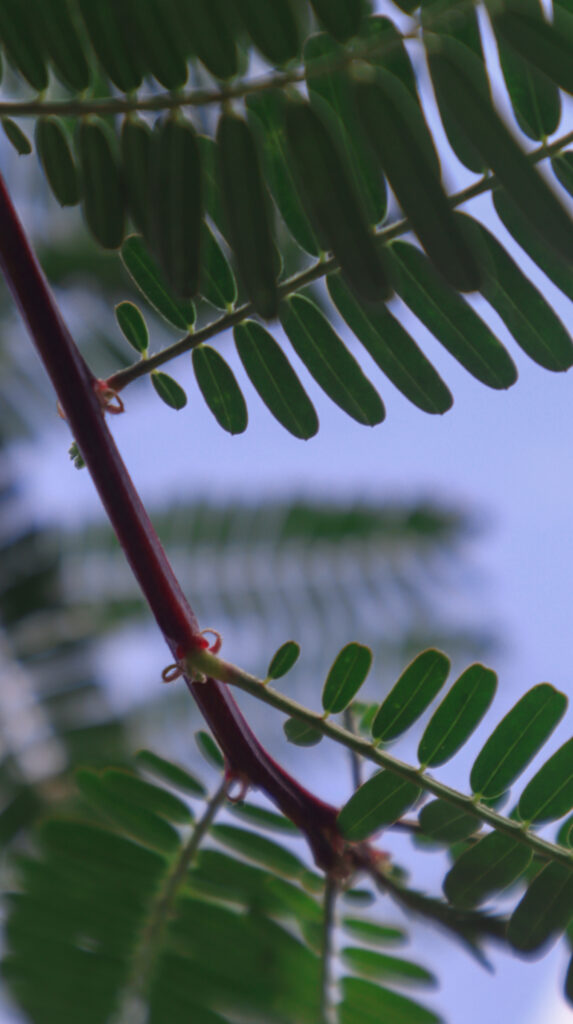
Leucaena Leucocephala (Photo; )Alujo
It is a fast growing, evergreen, thornless shrub, with a long-lived perennial legume with deep taproots and highly branched , with acomposition of 23-33% crude protein and 30%-37% Dry matter.
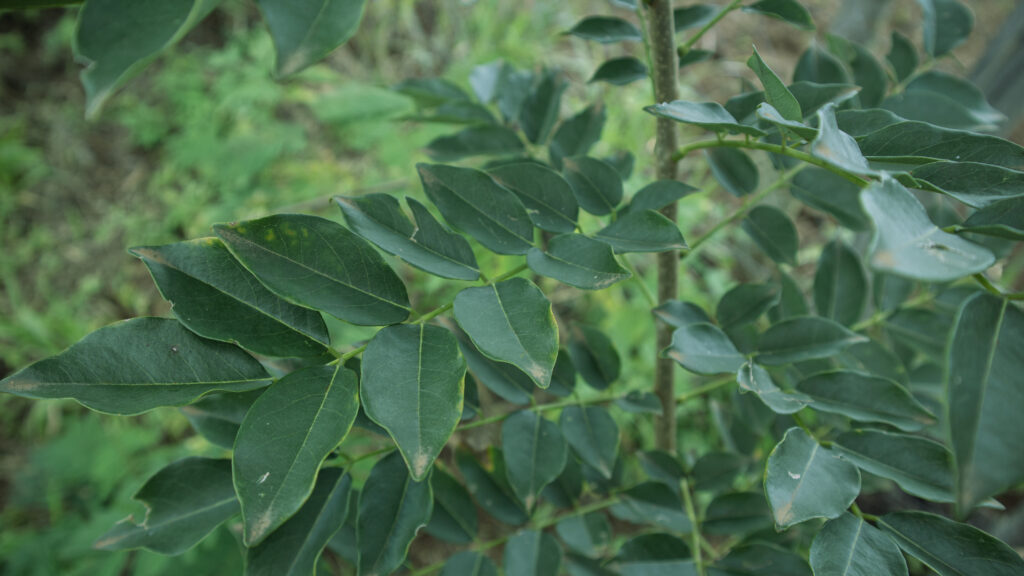
Gliricidia Sepium(Photo;)Alujo
It has multiple uses including rat poison, live fencing, firewood, green manure,insect repellent and fodder.It has high level of nitrogen fixing and tolerance to salinity.It is packed with 22-29 % crude protein content,25-37% dry matter and tolerates repeated cutting every 2-4 months depending on climate.
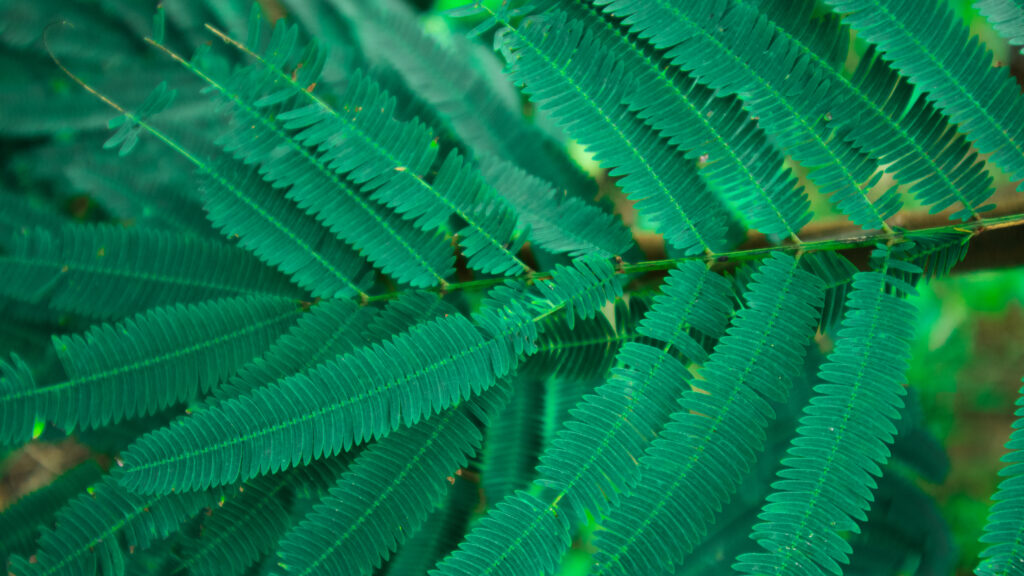
Calliandra Calothyrsus( Photo ; Alujo)
Very versatile species which does well under a wide range of soils and is outstanding in those of low fertility. It has a crude protein content of between 21-28%, dry matter of 35-40%.
Farmers should embrace fodder farming as fodder plays an important role in improving livestock production .Investing in fodder farming it’s a journey towards profitable ,sustainable and resilient livestock farming.